Bee:wild for Hospitality
Pollinator conservation for the hospitality sector
Meet Bee:wild.
Learn More About Us
Why it matters
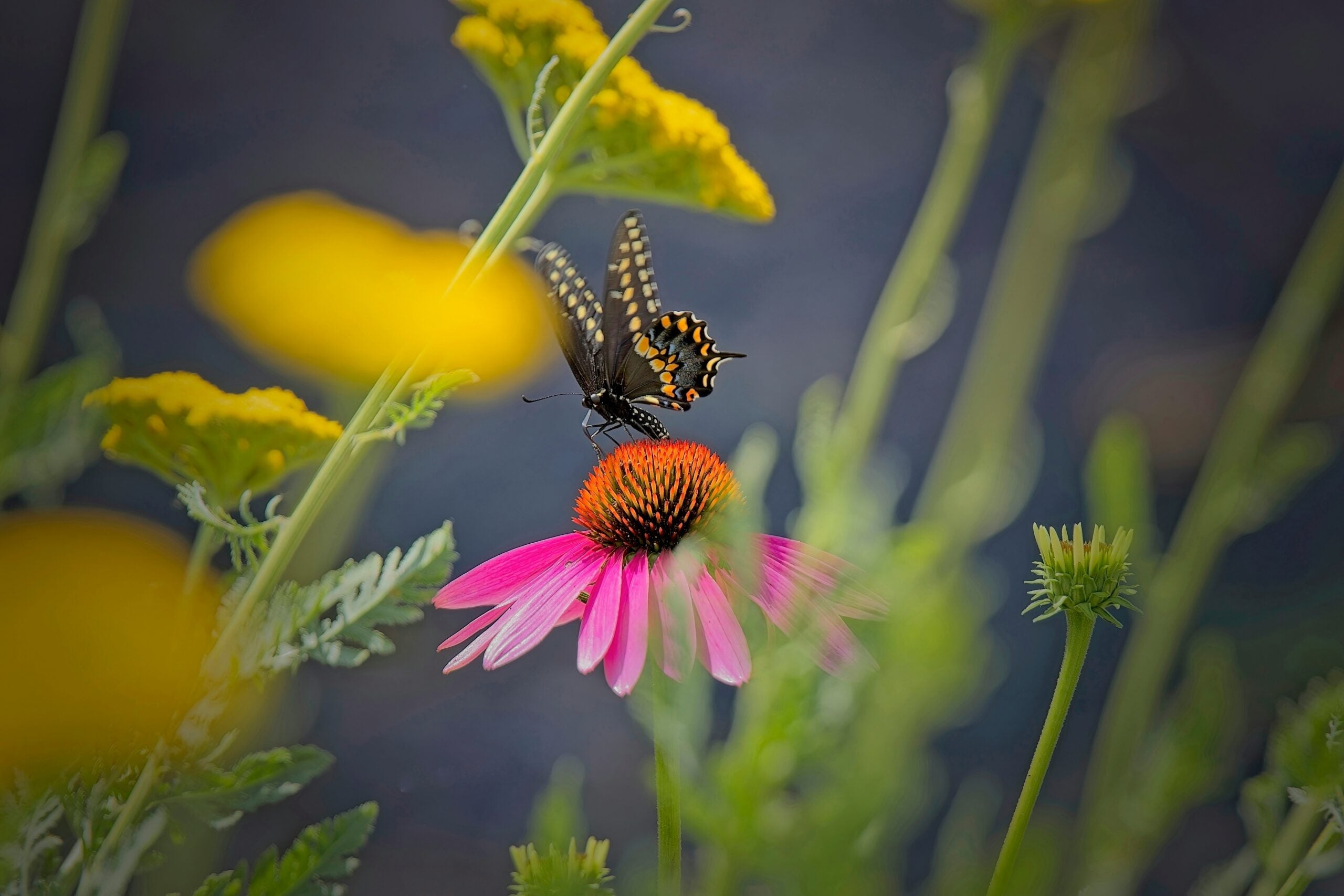
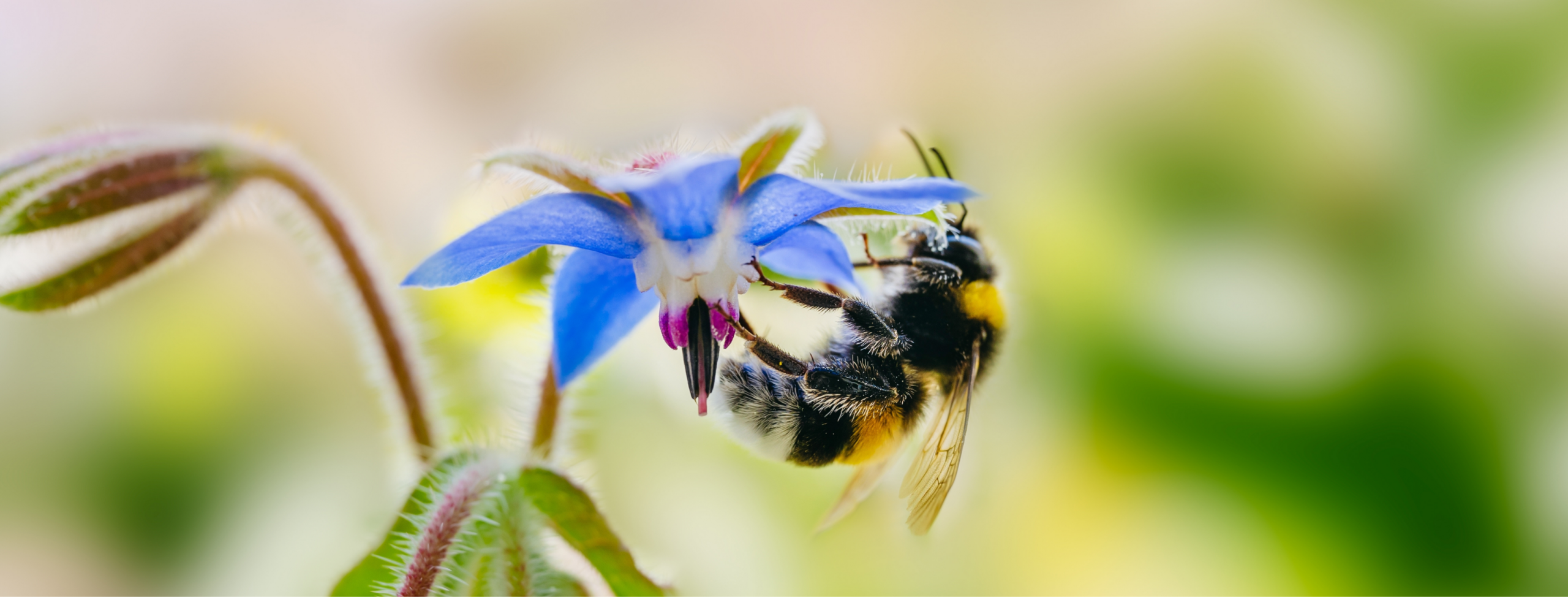
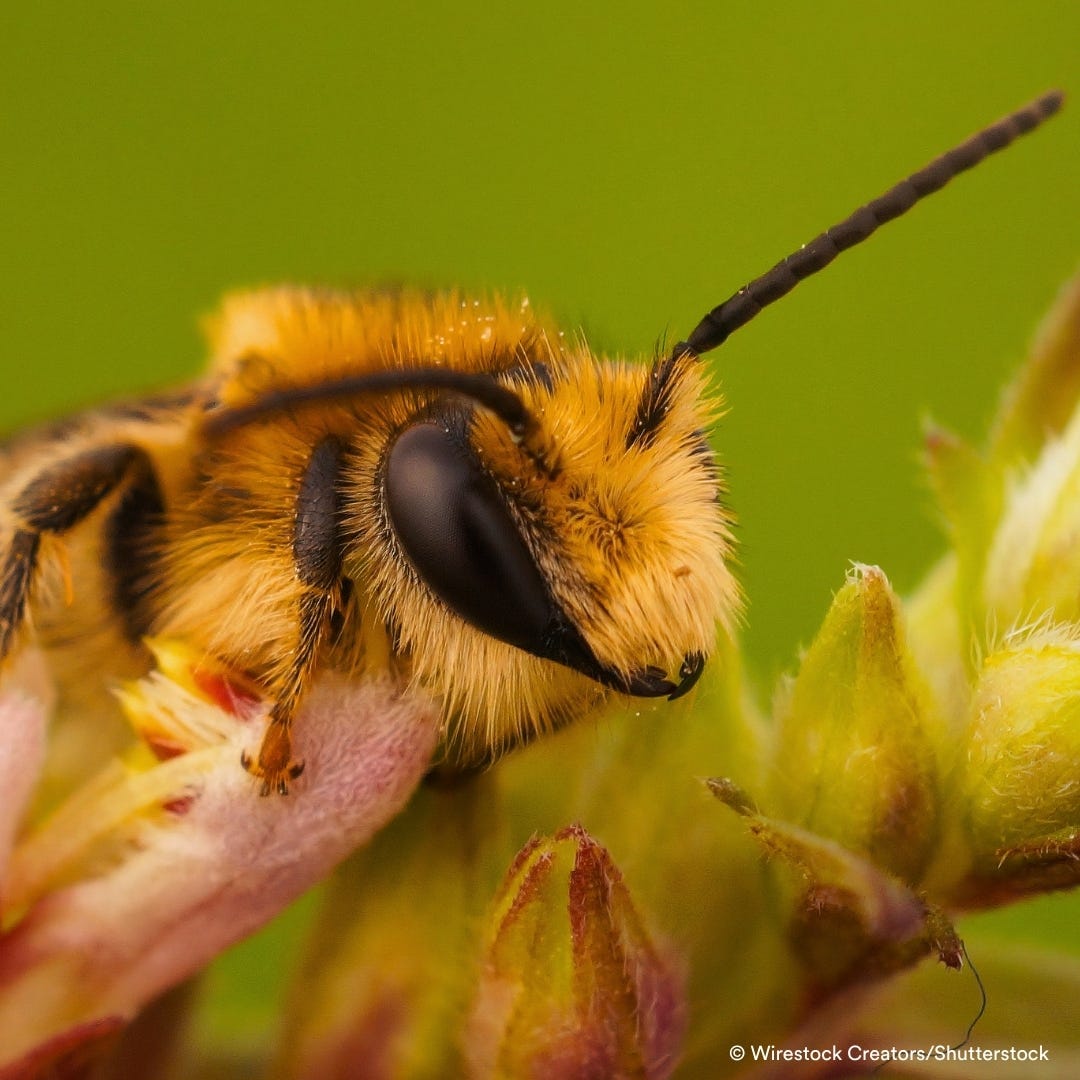
And it isn't just honeybees. Wild bees, moths, butterflies, flies and bats do most of the pollinating — and they're the ones vanishing fastest, squeezed by habitat loss, pesticides, light pollution and a changing climate.
Here are five ways to join the mission to protect pollinators.
Figures from Emerging Threats and Opportunities for Conservation of Global Pollinators: A Rapid Assessment for Bee:wild (Howard et al., 2025), drawing on IPBES (2016) and Knop et al. (2017).
Plant for the wild ones
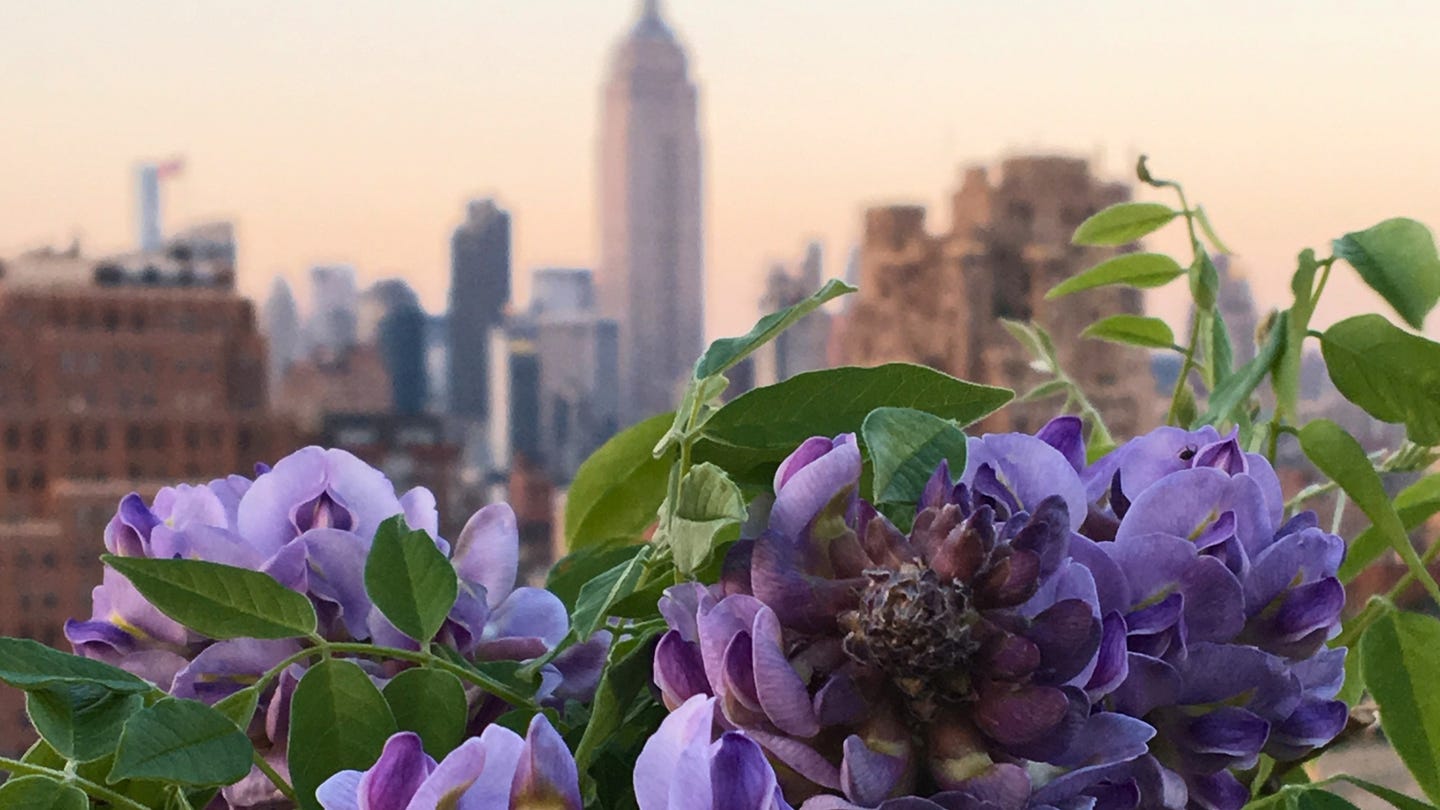
Trade manicured, non-native beds for locally native flowers that bloom across the seasons so there's always something in flower. The green space you already run (lawns, borders, even the golf course) lifts local pollinator diversity when planted and mown with the wild ones in mind. Leave some of the ‘messy’ bits: long grass, leaf litter and bare soil are where wild bees nest.

Put pollinators on the plate
A "Powered by Pollen" menu makes the invisible visible, telling guests which of the ingredients in front of them depend on pollinators. Source from low-pesticide, regenerative and organic growers to protect the pollinators your kitchen depends on.

Ditch the pesticides
Insecticides, herbicides and fungicides harm pollinators on there own, and their combined effects can be worse still. Move grounds and greens to integrated pest management and pollinator-safe alternatives.

Dim the lights after dark
Many pollinators are nocturnal and floodlights, path lights and illuminated signage can confuse them. Shield fixtures, warm the colour, add timers and motion sensors. Good for pollinators, guests' sleep and your energy bill.

Make it a guest story
Turn conservation into experience: garden tours, seed-planting, a screening of the BEE WILD film. Guests remember the stay that meant something and take the habit home.
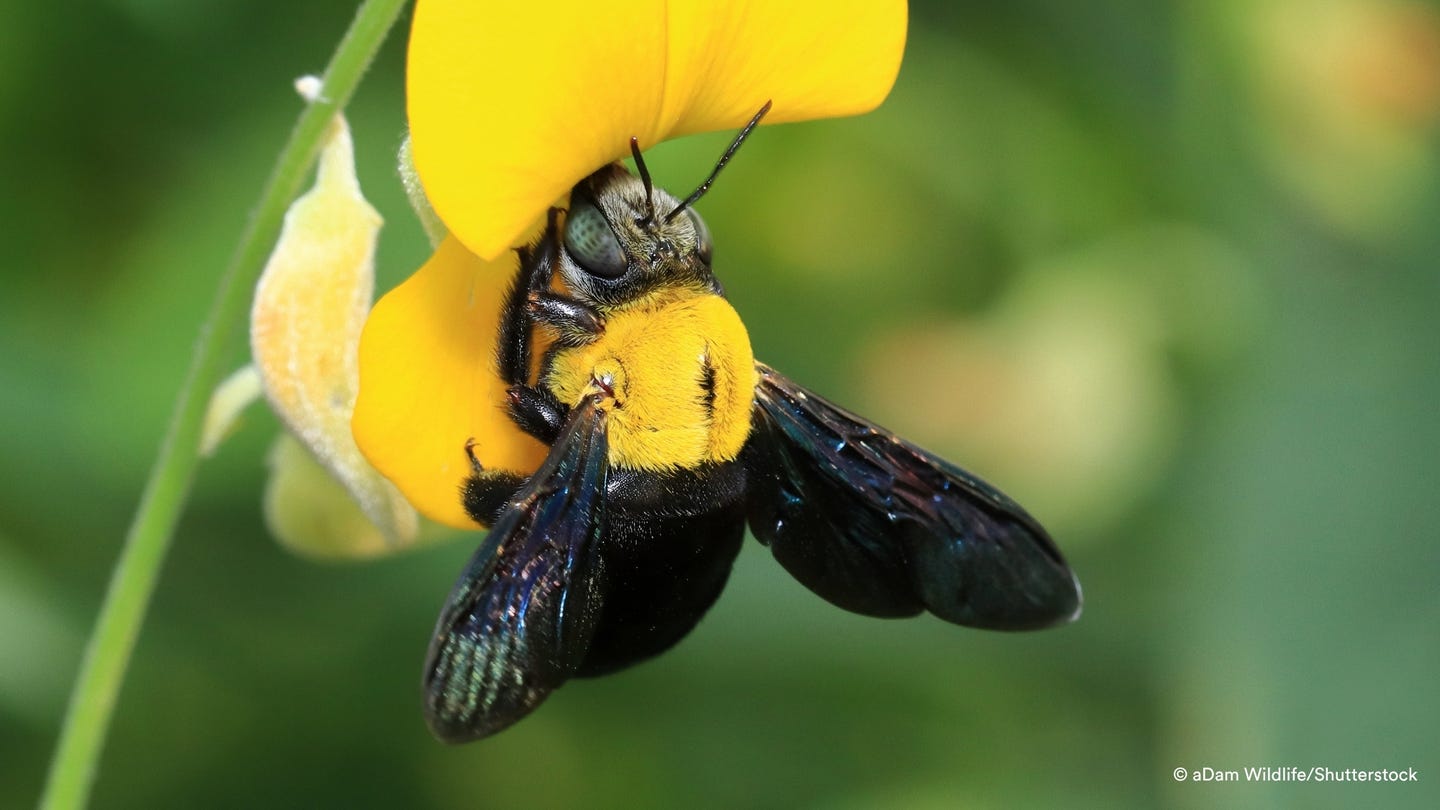
Worth knowing: rethink the rooftop hive